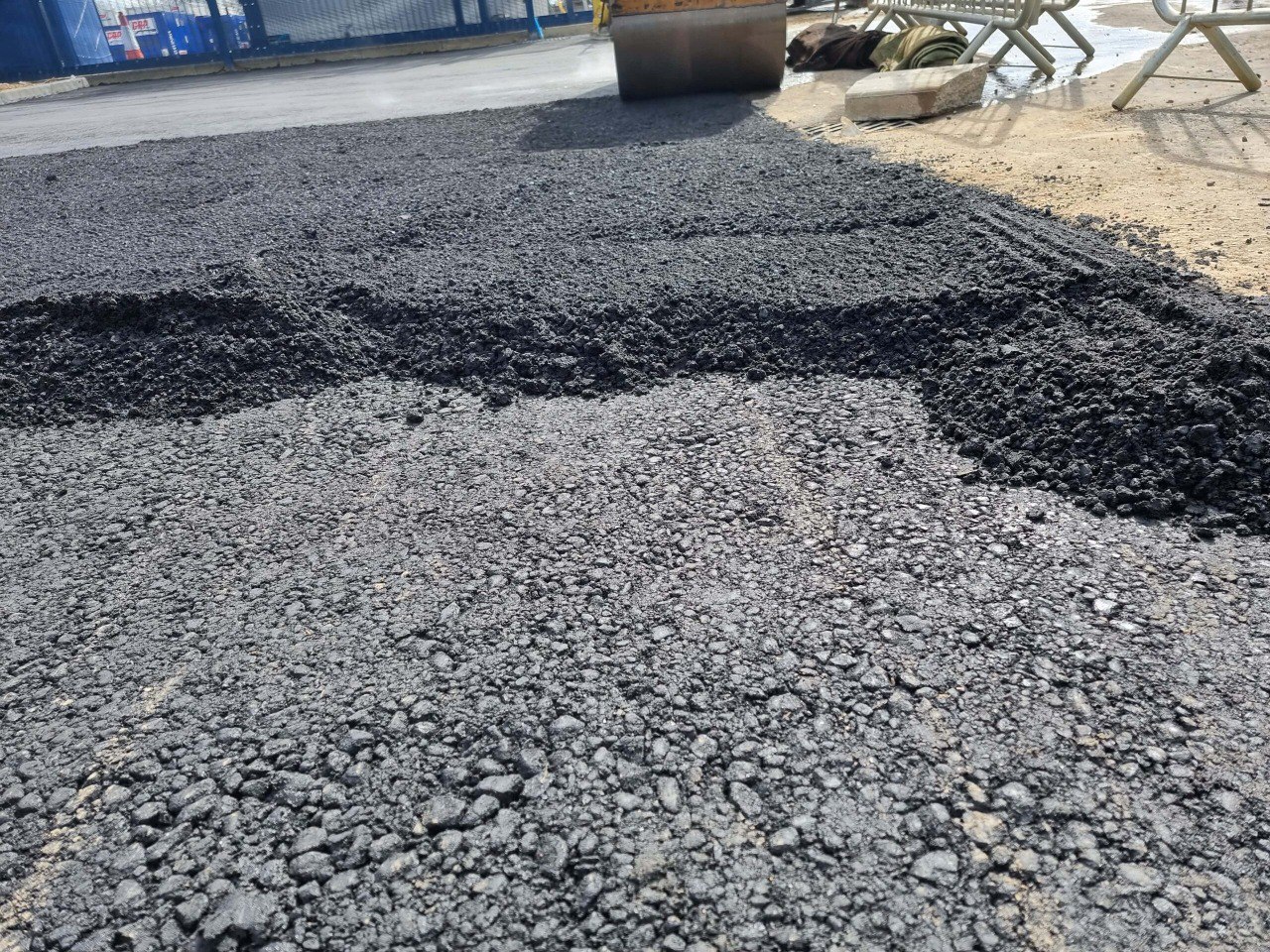
Why the Base Beneath Resin Bound Determines How Long It Lasts
Resin bound surfacing is known for creating a smooth, attractive and practical finish for driveways, but the visible surface is only one part of a successful installation. Much of its long-term performance depends on something that cannot be seen once the work is complete: the construction underneath.
For homeowners in Wisbech, Cambridgeshire, understanding the importance of the base can help explain why professional preparation is such a significant part of a resin bound driveway installation. Even a carefully laid resin surface cannot compensate for substantial movement, settlement or instability underneath it. A dependable result starts by creating suitable support for the finished surface.
Why the Base Is So Important Beneath a Resin Bound Driveway
A resin bound surface consists of aggregate mixed thoroughly with resin before being laid and finished as a continuous surface. Once cured, it creates a firm decorative layer suitable for regular use when supported by the correct construction.
However, the resin bound layer does not operate independently. Loads from vehicles and everyday use need to be supported by the construction beneath it.
If that supporting structure remains stable, the finished surface has a much stronger foundation from which to perform. If the base moves excessively, settles unevenly or contains unresolved defects, those problems can eventually affect the resin bound finish above.
This is why assessing and preparing the base should be treated as a fundamental part of the installation rather than simply preliminary work.
Resin Bound Is a Surface, Not a Solution for an Unstable Base
A new resin bound finish can dramatically change the appearance of a driveway, but it should not be used simply to conceal problems underneath.
If an existing driveway contains substantial movement, widespread cracking or sunken sections, installing resin directly over those defects does not necessarily remove their cause.
Movement beneath the new surface can continue.
The appropriate approach is to establish why the existing area has deteriorated and determine whether the underlying construction is suitable before the resin bound system is installed.
Vehicle Loads Need Proper Support
Driveways experience repeated loading from vehicles entering, leaving, turning and parking.
The finished resin surface distributes these forces into the construction underneath. A suitably prepared base helps provide the stability needed to support this regular use.
Weak areas beneath the surface can behave differently under repeated loading. Over time, this may contribute to settlement or movement in particular sections.
Professional driveway construction therefore considers how the area will actually be used rather than focusing only on the appearance of the finished resin.
Ground Preparation Creates the Starting Point
Where a new driveway is being constructed, preparation begins well below the decorative surface.
The ground needs to provide appropriate conditions for the supporting layers above it. Soft, unsuitable or inconsistent areas can affect the stability of the finished driveway if they are not addressed during preparation.
This is one reason why the early stages of driveway installation matter so much.
Once the resin has been installed, the preparation underneath is no longer visible, but it continues to influence how the driveway performs every day.
Compaction Helps Create a Stable Foundation
Supporting materials need to be properly compacted during driveway construction.
Compaction helps create a firm and consistent layer rather than leaving loose material capable of settling unpredictably after the driveway enters regular use.
Poor or inconsistent compaction can result in some areas responding differently from others.
The objective is to create uniform support beneath the surface so that vehicle loads are transferred through a stable construction rather than concentrated over weak sections.
Existing Driveways Need to Be Assessed Before Overlaying
In some circumstances, an existing surface may potentially form part of the construction beneath a resin bound driveway.
However, suitability should never be assumed simply because the existing area appears reasonably solid.
The surface should be checked for:
- Significant cracking
- Movement
- Settlement
- Weak or deteriorated sections
- Poorly supported edges
- Drainage problems
- Uneven levels
- Previous repairs showing renewed failure
A stable existing construction may provide a suitable basis following appropriate preparation. Where substantial weaknesses are identified, these need to be addressed before the resin bound finish is considered.
Existing Cracks Should Not Simply Be Hidden
Cracking can provide useful evidence about what is happening beneath an existing driveway.
Some defects may be limited, while others can indicate movement within the supporting structure. The cause and extent therefore matter more than appearance alone.
Simply covering cracks with a new resin surface may make them disappear from view initially, but it does not necessarily stop the underlying movement.
Professional assessment helps determine whether local remedial work is sufficient or whether more extensive preparation is necessary.
Settlement Beneath Resin Can Affect the Finished Surface
A driveway base should provide reasonably consistent support across the complete area.
If one section settles while neighbouring areas remain stable, the surface above can experience additional stress. This is why sunken areas on an existing driveway deserve investigation before resurfacing.
Adding material over the depression without addressing its cause may only disguise the problem.
Where settlement is localised, it may be possible to reconstruct the affected section before continuing with the wider driveway installation. More widespread movement may require a broader approach.
Drainage Starts With the Complete Construction
Resin bound surfacing is often associated with permeability because the bound aggregate can contain interconnected voids through which water can pass.
However, the behaviour of the finished driveway depends on the complete construction rather than the resin layer alone.
The supporting system beneath the surface needs to be appropriate for the intended drainage arrangement. Surface levels, falls and surrounding ground conditions should also be considered.
A permeable finish installed over unsuitable underlying construction does not automatically create an effective drainage solution.
Correct Levels Need to Be Established Early
Driveway levels affect much more than appearance.
They influence how the surface connects with surrounding areas and how rainfall behaves across the driveway. Poorly planned levels can create depressions, awkward transitions or areas where water repeatedly accumulates.
These details are much easier to address during preparation than after the resin bound surface has been installed.
Establishing appropriate levels within the underlying construction creates the profile needed for the finished driveway to function correctly.
Edge Support Helps Protect the Driveway
The perimeter of a driveway needs careful consideration because unsupported edges can become vulnerable to movement.
Vehicle loading near the edge can place pressure on the surrounding construction. If the boundary does not provide adequate restraint, the materials beneath the finished surface may gradually move.
Properly planned edging helps define and support the driveway while creating a clean transition into neighbouring surfaces or landscaping.
This detail contributes to both the appearance and structural performance of the completed installation.
Local Weaknesses Can Affect an Otherwise Good Driveway
A driveway does not need to have a completely failed base for problems to develop.
One poorly supported section can create a localised weakness even when the remainder of the construction is stable. These areas are particularly important to identify before resin bound surfacing is installed.
Professional preparation allows unsuitable sections to be addressed rather than unnecessarily reconstructing sound areas.
This targeted approach depends on accurate assessment of what lies beneath the existing surface.
Preparation Should Reflect How the Driveway Will Be Used
Not every resin bound area experiences the same demands.
A pedestrian path and a driveway used regularly by vehicles place different loads on the construction beneath them. The supporting structure should therefore be appropriate for the intended use of the finished area.
For driveways, consideration needs to be given to regular vehicle movements and areas where turning or parking repeatedly occurs.
Designing the construction around actual use provides a much stronger basis for long-term performance than treating every resin bound surface identically.
Why Surface Quality Alone Is Not Enough
The resin bound finish is naturally the part of a driveway that receives the most attention. Aggregate choice, consistency and workmanship all influence the completed appearance.
However, an excellent surface installation cannot correct significant instability beneath it.
Long-term quality depends on the complete system working together. Ground conditions, supporting layers, levels, edge restraint, drainage considerations and the resin bound finish all contribute to the finished driveway.
This is why assessing workmanship solely by the appearance of a newly completed surface can overlook some of the most important parts of the installation.
Good Preparation Can Reduce Future Problems
The purpose of thorough base preparation is to create suitable conditions for dependable performance.
Identifying unstable sections before installation means they can be addressed while they remain accessible. Establishing levels and edges at the preparation stage also reduces the need to compensate for underlying problems when laying the finished surface.
The principle is straightforward: problems underneath are generally better resolved before the resin is installed than discovered afterwards.
This makes preparation one of the most valuable stages of the entire driveway project.
Professional Resin Bound Driveways in Wisbech, Cambridgeshire
At Wisbech Driveways, we understand that a resin bound driveway should be considered from the ground upwards.
Before determining the appropriate surfacing approach, the existing area and supporting conditions need to be assessed. This helps establish whether suitable construction can be retained or whether preparation is required to provide a more dependable foundation.
For homeowners in Wisbech, Cambridgeshire, professional preparation helps ensure that attention is given not only to how the completed driveway looks, but also to the construction responsible for supporting it.
Conclusion
The base beneath a resin bound driveway has a major influence on how well the finished surface performs over time. Resin provides the visible wearing surface, but it relies on stable and appropriately prepared construction underneath.
Settlement, movement, inadequate compaction, poorly supported edges and unsuitable levels cannot simply be solved by covering them with resin. Addressing these factors before installation creates a much stronger foundation for the finished driveway.
If you are considering a resin bound driveway in Wisbech, Cambridgeshire, contact Wisbech Driveways. We can assess the existing area, determine the preparation required and provide a professionally planned resin bound surface built around the conditions beneath it.
Call us on: 01954 774 563
Click here to find out more about Wisbech Driveways
Click here to complete our contact form and see how we can help with your driveway needs.